
-

- Accueil
- >
- Non classé
- Gastronomy and lifestyle in Rabat: a feast for the senses

Gastronomy and lifestyle in Rabat: a feast for the senses
 Share
Share


In the heart of the Rabat-Salé-Kénitra region, the Moroccan capital is an exceptional gastronomic destination where ancestral culinary arts meet contemporary creativity. Rabat, this elegant and refined city, offers much more than just a culinary journey: it is a total immersion in a thousand-year-old art of living that celebrates sharing, conviviality, and excellence.
A cuisine with a thousand flavors
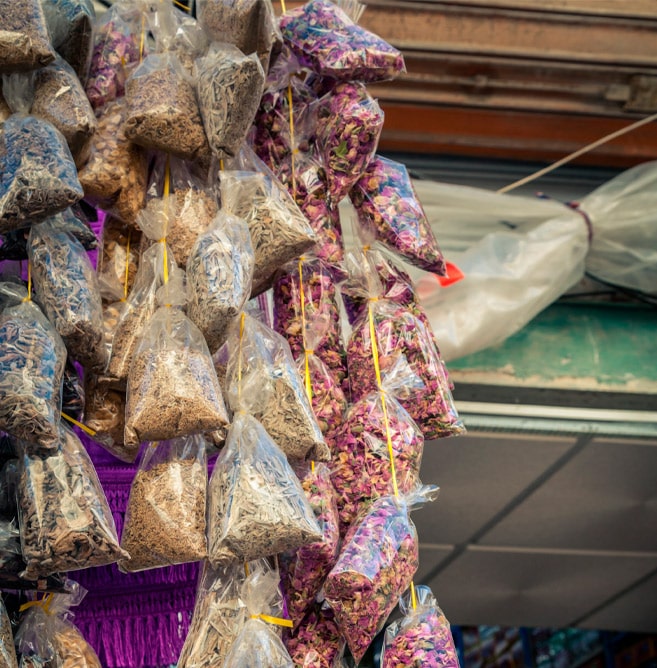
Rbatian gastronomy has its roots in a rich Andalusian, Berber, and Arab heritage. In the narrow streets of the medina or the modern districts of the city, the captivating aromas of freshly ground spices—cumin, saffron, paprika, ginger—fill the air and awaken the taste buds. Tajine, an iconic dish cooked over low heat, comes in countless variations: with prunes and almonds, candied lemon and olives, or artichokes and seasonal peas.
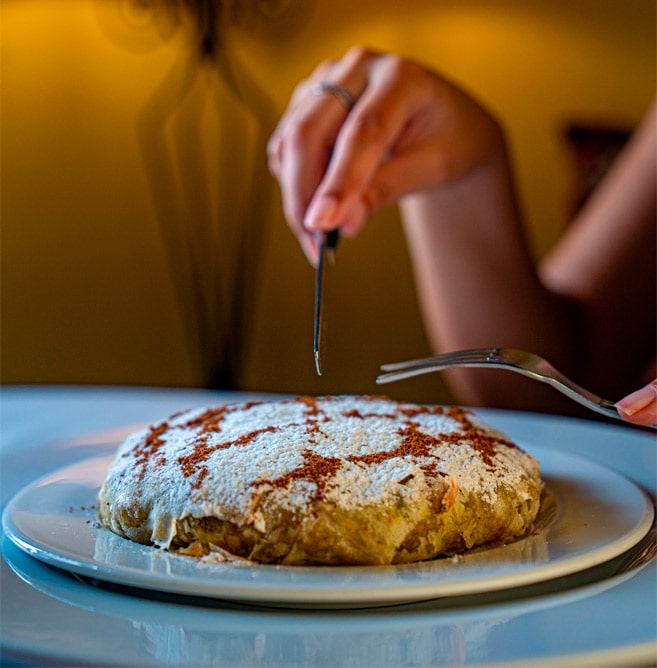
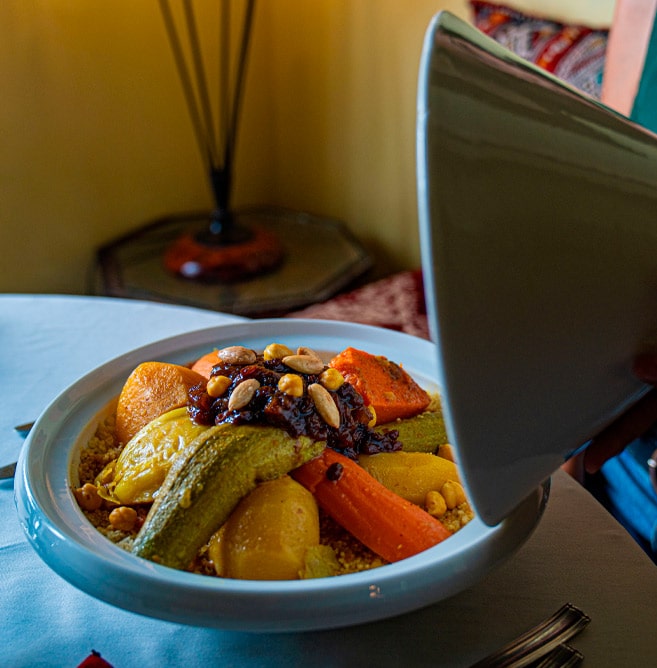
Pastillas, delicate sweet and savory pies combining pigeon meat, roasted almonds, and cinnamon under crispy sheets of filo pastry sprinkled with powdered sugar, are testament to the refinement of Rabat cuisine. Not to mention Friday couscous, a true family institution, served generously with seven vegetables and melt-in-the-mouth meat.
The art of mint tea
It is impossible to discuss the art of living in Rabat without mentioning the sacred ritual of mint tea. In traditional tea rooms or modern cafés overlooking the Bouregreg River, this sweet beverage served in small decorated glasses accompanies endless discussions and moments of relaxation. The preparation of the tea is a spectacle in itself: the waiter pours the tea from an impressive height to create a creamy foam, an ancestral gesture passed down from generation to generation.
Markets, temples of freshness
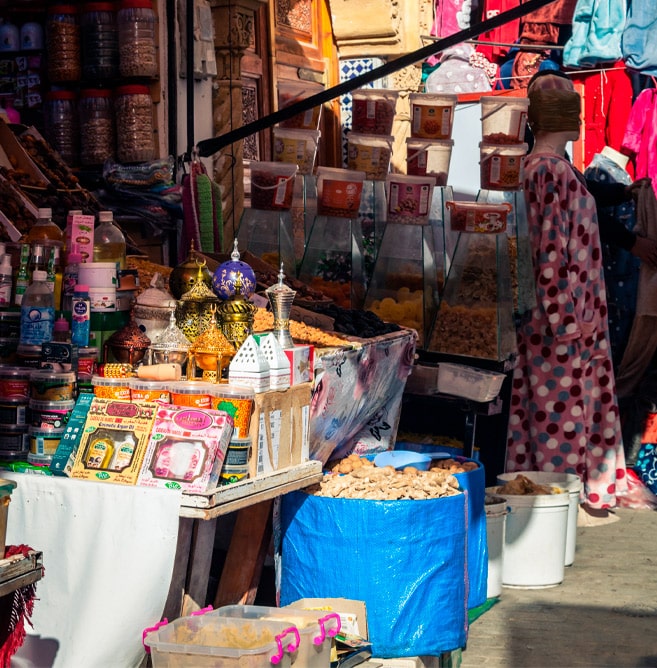
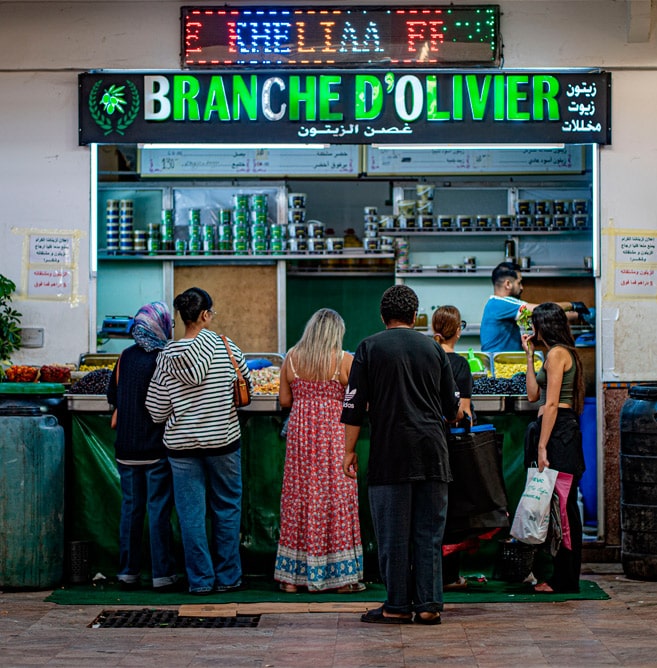
A visit to the Central Market or the souk in the medina is a must to understand the essence of local cuisine. Pyramids of multicolored olives, stalls overflowing with fragrant citrus fruits, mountains of juicy dates, warm bread fresh from traditional ovens: these markets are veritable sensory theaters where the symphony of Moroccan flavors is played out daily.
Delicatessens offer the best local products: argan oil, thyme honey, artisanal jams, and traditional pastries such as gazelle horns and honey chebakia.
Pastry making, a refined art
Moroccan pastry making is a celebration in itself. Rabat’s tea rooms compete in elegance to present their creations: kaab el ghazal (gazelle horns), almond ghriba, anise-flavored fekkas, and honey briouates. Each bite is an explosion of textures and flavors, the result of meticulous expertise that is jealously guarded.